
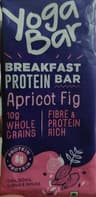
Breakfast Protein Bar Apricot Fig
OFFYoga Bar · 1 bar (45 g)
Nutrition Facts
* % Daily Values based on 2,000 kcal diet. Tap any nutrient for details. Source: Product label · Values may vary.
Portion Guide
| Portion | Cal | Fat | Sugar |
|---|---|---|---|
| Small serving(25g) | 100 | 3g | 6.8g |
| Regular serving(50g) | 200 | 6g | 13.7g |
| Large serving(100g) | 400 | 12g | 27.3g |
Ingredients
Whole Grains 20% (Rolled Oats 9%. Brown Rice, Foxtail millet 6%, Quinoa 4%), Seeds 18% (Sunflower, Sesame, Flax, Watermelon, Pumpkin, Chia), Honey, Prebiotic fibre (Fructo-oligosaccharide), Nuts (Almo...
Decoded
BEST AS A TREAT
Key Number
That's a significant chunk of your daily sugar.
NOVA 4
Ultra-Processed Foods
Industrial formulations with little to no whole foods, containing additives.
Real Talk
- →Reserve for rare treats, not regular consumption.
- →Sugar adds up fast. Balance with unsweetened drinks.
Alternatives
- Eat fewer, not daily – occasional treat is fine
- Smaller portions – satisfy the craving without overdoing it
ELI5
Sports NutritionWhat is this?
A sports nutrition product designed for use during or around exercise. Sugar and sodium here serve a functional purpose for energy and electrolyte replacement.
Typical portion?
~50g. Label shows per 100g.
Per 50g portion
200 kcal, 14g sugar
Sugar context
14g of sugar per portion. In sports nutrition, sugar provides rapid energy during exercise. This is functional, not incidental.
Sodium context
140mg sodium per portion. In sports drinks, sodium helps replace electrolytes lost through sweat. This is intentional, not a concern.
Top ingredients
Whole Grains 20% (by weight)
Claims
Natural: May contain ingredients derived from natural sources.
NOVA 4
formulated for rapid absorption during physical activity
Usage
Best consumed before, during, or after exercise. Not intended as an everyday beverage.
Use it for its intended purpose: fueling exercise. Not a casual drink or snack.
Disclaimer: Nutribaba provides general nutrition information for awareness only. It is not medical or dietary advice. Data sourced from product labels and relevant regulatory sources. Data may vary by batch, region, or formulation—always check actual packaging or consult a qualified professional. This assessment does not replace FSSAI labelling requirements or medical advice.