
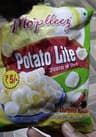
Potato Lite
OFFHaldiram Snacks Pvt. Ltd. · 100g
Nutrition Facts
* % Daily Values based on 2,000 kcal diet. Tap any nutrient for details. Source: Product label · Values may vary.
Portion Guide
| Portion | Cal | Fat | Sugar |
|---|---|---|---|
| Small serving(25g) | 119.8 | 5.9g | -g |
| Regular serving(50g) | 239.5 | 11.7g | -g |
| Large serving(100g) | 479 | 23.4g | -g |
Ingredients
Potato Starch, Potato Flakes, Refined Palmolein Oil, lodised Salt, Maltodextrin, Black Pepper & Black Salt "I
Decoded
BEST AS A TREAT
Key Number
Watch out if monitoring blood pressure.
NOVA 4
Ultra-Processed Foods
Industrial formulations with little to no whole foods, containing additives.
Real Talk
- →Reserve for rare treats, not regular consumption.
- →High sodium - drink extra water and eat light the rest of the day.
Alternatives
- Eat fewer, not daily – occasional treat is fine
- Smaller portions – satisfy the craving without overdoing it
ELI5
Snack / TreatWhat is this?
Thin, crispy snacks typically made from potatoes.
Typical portion?
~50g. Label shows per 100g.
Per 50g portion
240 kcal, 0g sugar
Top ingredients
Potato Starch, Potato Flakes, Refined Palmolein Oil, lodised Salt, Maltodextrin, Black Pepper & Black Salt "I (by weight)
NOVA 4
ultra-processed, factory-made with many additives
Usage
Best enjoyed as an occasional treat, not an everyday habit.
Treats are part of life. Enjoy them occasionally without guilt, not daily.
Disclaimer: Nutribaba provides general nutrition information for awareness only. It is not medical or dietary advice. Data sourced from product labels and relevant regulatory sources. Data may vary by batch, region, or formulation—always check actual packaging or consult a qualified professional. This assessment does not replace FSSAI labelling requirements or medical advice.