
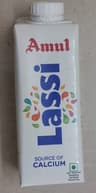
Amul Lassi 250 ml
OFFAmul · 100 ml
Nutrition Facts
* % Daily Values based on 2,000 kcal diet. Tap any nutrient for details. Source: Product label · Values may vary.
Portion Guide
| Portion | Cal | Fat | Sugar |
|---|---|---|---|
| Small serving(25g) | 21.8 | 0.5g | 3.5g |
| Regular serving(50g) | 43.5 | 1g | 7g |
| Large serving(100g) | 87 | 2g | 14g |
Ingredients
Milk solids, water, sugar, stabilizer (440), nature identical and artificial flavouring substances (rose), active culture. Allergen Information: Contains milk.
Decoded
FINE OCCASIONALLY
Key Number
That's a significant chunk of your daily sugar.
NOVA 4
Ultra-Processed Foods
Industrial formulations with little to no whole foods, containing additives.
Real Talk
- →Occasional consumption is fine. Don't make it daily.
- →Sugar adds up fast. Balance with unsweetened drinks.
ELI5
BeverageWhat is this?
Fermented dairy product containing live cultures.
Typical portion?
~200ml glass. Label shows per 100ml.
Per 200 ml glass
174 kcal, 28g sugar
Is that a lot?
28g is 112% of the WHO guideline of 25g free sugar per day. That is a significant portion from just one serving.
Top ingredients
Milk solids, water, sugar, stabilizer (by weight)
Additives
INS 440: Pectin, from fruits
NOVA 4
ultra-processed, factory-made with many additives
Usage
Fine a few times a week. Not ideal as a daily habit.
High sugar means this works better as an occasional treat.
Disclaimer: Nutribaba provides general nutrition information for awareness only. It is not medical or dietary advice. Data sourced from product labels and relevant regulatory sources. Data may vary by batch, region, or formulation—always check actual packaging or consult a qualified professional. This assessment does not replace FSSAI labelling requirements or medical advice.